


How Emotional Safety in Schools Builds Trust for Better Learning
- Chettinad - Sarvalokaa Education

- 1 day ago
- 3 min read


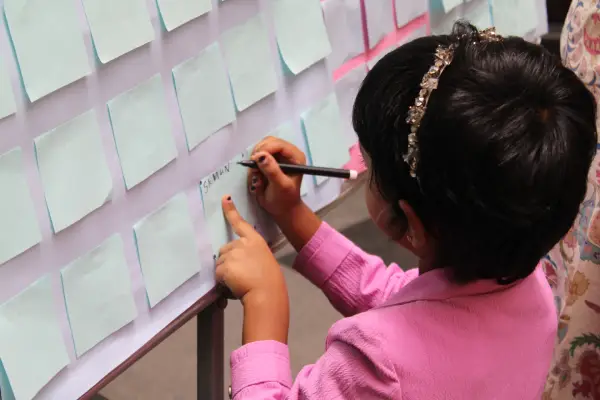
For parents, a child’s learning environment is not defined only by classrooms and curriculum. It is also shaped by how safe a child feels emotionally each day. Emotional safety is the foundation that allows children to express themselves, ask questions, make mistakes, and grow with confidence.
When schools prioritise emotional safety, children feel accepted and understood. This sense of security builds trust, which directly supports better learning outcomes and overall well being.
What Is Emotional Safety in Schools?
Emotional safety refers to a child’s ability to feel secure, respected, and supported in their school environment. A school with strong emotional safety ensures that students are not afraid of judgement, ridicule, or failure.
When emotional safety is present, children feel comfortable sharing ideas, seeking help, and engaging fully in learning. This is especially important during formative years when emotional development strongly influences academic confidence.
At Chettinad - Sarvalokaa Education, emotional safety is supported through a caring school culture that values trust, respect, and emotional well being alongside academic learning.
Why Emotional Safety Matters for Learning
Learning thrives in an environment where children feel emotionally secure. Without emotional safety, even capable students may withdraw, hesitate to participate, or struggle with confidence.
Strong emotional safety helps children:
Participate actively in class
Ask questions without fear
Handle mistakes as part of learning
Build positive relationships with peers and teachers
This trust based environment allows learning to happen naturally and effectively.
Emotional Safety for a Child in Daily School Life
Emotional safety for a child shows up in simple but powerful ways. It is felt when a teacher listens patiently, when mistakes are corrected kindly, and when differences are respected.
For children, emotional safety means:
Feeling valued for who they are
Knowing that their feelings matter
Being supported during challenges
Trusting adults to guide and protect them
When emotional safety for a child is consistently reinforced, children develop confidence and resilience.
How Schools Can Create Emotional Safety
1. Respectful Teacher Student Relationships
Teachers play a key role in emotional safety. Warm communication, fairness, and encouragement help students feel seen and supported.
2. Clear Behaviour Expectations
Consistent rules and respectful discipline help children feel secure. Predictability reduces anxiety and builds trust.
3. Supportive Peer Culture
Schools that encourage kindness, inclusion, and cooperation help prevent bullying and social isolation, strengthening emotional safety.
4. Safe Spaces for Expression
Opportunities for discussion, reflection, and emotional expression allow children to process feelings in a healthy way.
5. Pastoral Care and Guidance
Dedicated support systems ensure children have trusted adults to turn to during emotional or social challenges.
The Link Between Emotional Safety and Trust
Trust grows when children feel emotionally safe. They trust their teachers to guide them, their peers to respect them, and their school to support them.
This trust allows children to:
Take academic risks
Engage deeply with learning
Develop independence
Build self belief
Without emotional safety, trust weakens and learning becomes stressful rather than meaningful.
How Parents Can Support Emotional Safety
Parents and schools work best as partners. At home, parents can support emotional safety by:
Listening without immediate judgement
Validating emotions
Encouraging open conversations
Reinforcing positive coping strategies
When children experience emotional safety both at school and at home, their confidence and learning strengthen together.
Final Thoughts for Parents
Emotional safety is not an optional part of education. It is essential. Schools that prioritise emotional safety create environments where children feel secure enough to learn, grow, and thrive.
By choosing schools that value emotional safety for a child, parents support not just academic success, but long term emotional health and confidence.
FAQs
1. Why is emotional safety important in schools?
Emotional safety helps children feel secure, confident, and willing to participate, which directly supports better learning and mental well being.
2. What does emotional safety for a child look like in school?
Emotional safety for a child includes feeling respected, supported, listened to, and free from fear of judgement or bullying.
3. How can schools improve emotional safety?
Schools can improve emotional safety through supportive teacher relationships, clear behaviour policies, inclusive culture, and strong pastoral care systems.


Comments