


How Sarvalokaa’s Boarding Facilities Support Academic and Emotional Growth

Updated: Aug 27
Choosing a boarding school is an emotional decision for parents as they need to know that their children are in an environment which not only nurtures them but also cares for them. At a time when children face academic pressure, social expectations, and constant stimulation, the environment they grow up in matters more than ever.
As a thoughtfully designed boarding school in Chennai, Chettinad - Sarvalokaa Education views boarding as a space where academic focus and emotional security grow together.
A Structured Environment That Encourages Academic Focus
One of the most visible benefits of a residential learning environment is routine. At Sarvalokaa, daily schedules are designed to bring balance — study time, creative engagement, outdoor movement, and rest are all given equal importance.
Children are not rushed from one activity to another. Instead, the rhythm of the day allows them to:
Focus on learning without everyday distractions
Develop consistency in study habits
Learn time management naturally
Whether enrolled in full residential programmes or as part of a weekday boarding school in Chennai, learners experience continuity in learning that supports deeper academic engagement rather than surface-level performance.
Emotional Security as the Foundation of Learning
Academic growth cannot exist without emotional well-being. Sarvalokaa recognises that children thrive when they feel safe, understood, and supported.
Residential mentors, wardens, and educators work closely with students, creating strong adult-child relationships built on trust. Reflective conversations and peer interactions are part of everyday life, helping children articulate feelings and navigate challenges.
In a weekday boarding school setting, children gradually build independence while still feeling anchored, returning home regularly, yet growing confident in their own abilities.
Community Living and Social Growth
Boarding life offers children the opportunity to live and learn within a close-knit community. Sharing spaces, routines, and responsibilities teaches empathy, cooperation, and mutual respect.
Through group activities, shared meals, and collaborative learning experiences, students develop:
Strong interpersonal skills
Emotional resilience
A sense of belonging
These social skills often translate into greater classroom confidence and emotional maturity.
Spaces Designed for Calm and Clarity
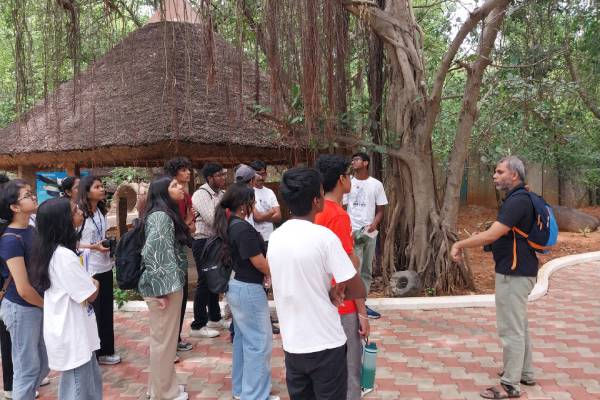
The physical environment also plays a crucial role. Sarvalokaa’s boarding facilities are designed to feel open, calm, and welcoming rather than institutional. Green surroundings, thoughtfully planned living spaces, and access to nature support emotional regulation and mental clarity.
Such environments help children slow down, reflect, and reconnect with themselves.
Conclusion
By combining structured academics with emotional care, Sarvalokaa’s boarding programme nurtures children who are not only academically capable but emotionally grounded.
For parents seeking a boarding school in Chennai that values the whole child, Sarvalokaa offers a learning environment where independence grows alongside compassion, and achievement is supported by wellbeing.
FAQs
1. How does boarding support a child’s academic growth?
Boarding provides structured routines, focused study time, and consistent learning environments, helping children develop discipline and deeper engagement with academics.
2. Is weekday boarding emotionally suitable for children?
Yes. A weekday boarding school offers the right balance where children build independence during the week while staying emotionally connected to home over weekends.
3. How does Sarvalokaa support emotional well-being in boarding students?
Sarvalokaa, one of the best weekday boarding schools in Chennai, offers an environment that cares for the children. It offers mentoring, reflective practices, allows for healthy peer engagement, and a calm residential environment that prioritises emotional safety alongside learning.



Comments