


Top 10 Skills Students Need for Future Careers And How Schools Can Help

Updated: Aug 27
Introduction
What are the most important skills for students to succeed in a rapidly changing world? This is a question many parents are asking today as careers evolve faster than ever before. Academic knowledge alone is no longer enough. Children need a balanced set of learning skills for students that prepare them for real life challenges, global opportunities, and future careers.
In today’s world, 21st century skills for students are essential for building confidence, adaptability, and problem solving ability. Schools play a crucial role in nurturing these skills early, shaping not just academic success but lifelong readiness.
This blog explores the top 10 skills for students and how a thoughtfully designed learning environment can help children develop them naturally.
Top 10 Essential Skills for Students
1. Critical Thinking
Critical thinking is one of the most important skills for students. It allows children to analyze situations, ask meaningful questions, and make informed decisions.
With strong learning skills for students, children learn to evaluate information instead of memorizing it. This is a key part of 21st century skills for students, especially in a world filled with information.
2. Communication Skills
Clear communication helps students express ideas confidently. Whether speaking, writing, or presenting, communication is a foundational skill.
Strong skills for students include the ability to listen actively and share thoughts effectively. Schools that focus on learning skills for students encourage discussions, presentations, and collaborative tasks.
3. Creativity
Creativity is no longer limited to art. It is about thinking differently and solving problems in innovative ways.
Developing creative skills for students ensures they can adapt to new challenges. Through 21st century skills for students, creativity becomes a tool for innovation and growth.
4. Collaboration
Working with others is essential in modern workplaces. Collaboration teaches teamwork, empathy, and respect.
Effective learning skills for students include group learning experiences. These skills for students help children understand diverse perspectives and work toward shared goals.
5. Digital Literacy
Technology is part of everyday life. Students must know how to use digital tools responsibly and effectively.
Digital literacy is one of the core 21st century skills for students. Schools that integrate technology into learning skills for students prepare children for future careers.
6. Adaptability
The ability to adapt to change is a powerful skill. Careers are constantly evolving, and students must be flexible.
Building adaptable skills for students ensures they can handle uncertainty. This is a key aspect of learning skills for students in a dynamic world.
7. Problem Solving
Problem solving is at the heart of all learning. Students must learn how to approach challenges logically.
Strong skills for students include identifying problems, analyzing options, and finding solutions. These are essential 21st century skills for students.
8. Emotional Intelligence
Understanding emotions is just as important as academic learning. Emotional intelligence helps students build relationships and manage stress.
Developing emotional learning skills for students ensures they grow into confident and balanced individuals.
9. Leadership Skills (make it SELF MANAGEMENT SKILLS - LEADERSHIP IS NOT A RELEVANT SKILL HERE)
Leadership is not just about leading others. It is about responsibility, initiative, and decision making.
Encouraging leadership skills for students builds confidence and independence. These qualities are part of advanced 21st century skills for students.
10. Environmental Awareness
Awareness of the environment is becoming increasingly important. Students must understand sustainability and responsible living.
This is a unique and essential part of learning skills for students that prepares them for a conscious future.
Real World Relevance of These Skills
The modern world demands more than textbook knowledge. Employers and industries value practical skills for students that can be applied in real situations.
When children develop strong learning skills for students, they are better prepared to:
Solve real world problems
Work in diverse teams
Adapt to global environments
Think independently and creatively
These 21st century skills for students ensure that children are not just academically capable but also life ready.
The Sarvalokaa Approach to Skill Development
At Chettinad Sarvalokaa Education, the focus is on nurturing well rounded individuals through meaningful learning experiences.
The approach to developing skills for students includes:
Inquiry based learning that encourages questioning and exploration
Project based activities that strengthen learning skills for students
Collaborative classrooms that build teamwork and communication
Real world exposure that connects theory with practice
This ensures that 21st century skills for students are developed naturally through everyday learning.
Cambridge Curriculum and Future Ready Skills
The Cambridge International curriculum supports the development of skills for students through a progressive and structured pathway.
Inquiry Based Learning
Students are encouraged to ask questions and explore concepts deeply. This strengthens learning skills for students and builds curiosity.
Progressive Academic Pathway
From Primary to IGCSE and A Levels, the curriculum ensures continuous development of 21st century skills for students.
Critical Thinking and Global Readiness
The curriculum focuses on analytical thinking and global awareness, key skills for students needed for future success.
Nature Based Education and Sustainability Learning
Nature based learning is a core part of developing meaningful skills for students.
Experiential Learning Through Environment
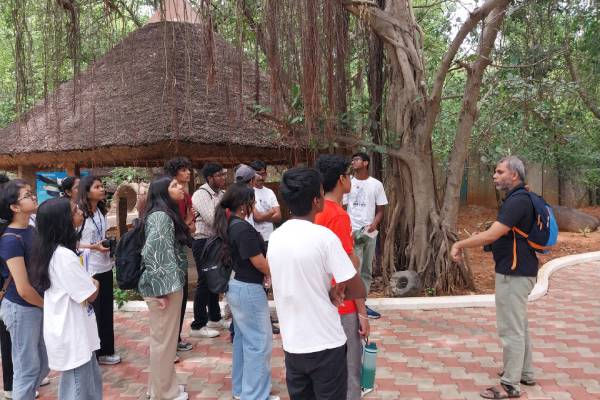
Students engage in hands on activities like organic farming and environmental projects. These experiences enhance learning skills for students.
Sustainability Compass
Education is guided by four key areas:
Nature
Economy
Society
Well being
This approach helps build responsible 21st century skills for students.
Real Life Examples
Understanding food cycles through farming
Practicing environmental awareness
Learning responsible living habits
Such experiences make skills for students practical and impactful.
Parent Reassurance
Choosing the right environment is essential for developing strong skills for students.
Safety
A secure campus ensures children can explore and learn confidently.
Faculty
Experienced educators guide students in building both academic and learning skills for students.
Holistic Development
Equal focus is given to academics, emotional growth, and 21st century skills for students.
Parents can feel confident that their children are gaining the right skills for students for future success.
Conclusion
The future belongs to children who are adaptable, confident, and capable. Developing the right skills for students is no longer optional. It is essential.
When schools focus on meaningful learning skills for students and integrate 21st century skills for students into everyday learning, children are prepared not just for exams, but for life.
At Chettinad Sarvalokaa Education, this balanced approach ensures that every child grows into a capable and responsible global citizen, equipped with the most important skills for students needed for the future.
FAQs
1. What are the most important skills for students today
The most important skills for students include critical thinking, communication, creativity, collaboration, and adaptability.
2. Why are learning skills for students important
Learning skills for students help children understand how to learn effectively, solve problems, and apply knowledge in real life.
3. What are 21st century skills for students
21st century skills for students include digital literacy, critical thinking, collaboration, and global awareness.
4. How can schools develop skills for students
Schools can develop skills for students through inquiry based learning, experiential activities, and real world exposure.
5. How does nature based learning help students
Nature based learning enhances learning skills for students by providing hands on experiences and promoting environmental awareness.
6. Why is emotional intelligence important for students
Emotional intelligence is a key part of skills for students as it helps in managing emotions and building relationships.
7. How does the Cambridge curriculum support skill development
The Cambridge curriculum strengthens 21st century skills for students through structured, inquiry based, and globally relevant learning.



Comments